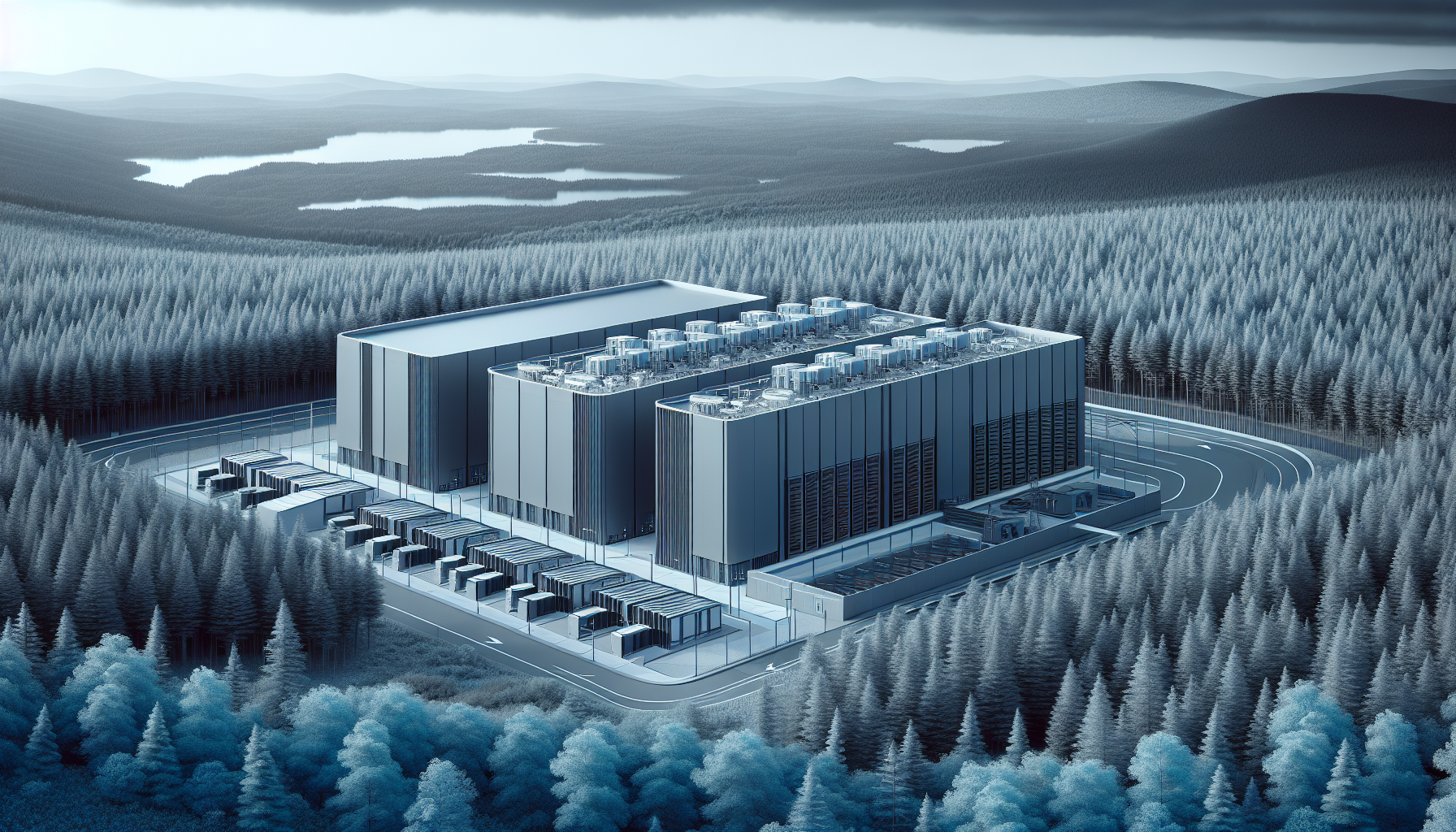
Maine Governor Vetoes First-in-Nation Data Center Moratorium
AUGUSTA, Maine — Maine’s governor April 25 vetoed legislation that would have imposed the first statewide moratorium on new data center construction in the United States.
The bill, L.D. 307, would have halted all new data center development in Maine until Nov. 1, 2027, according to TechCrunch (https://techcrunch.com/2026/04/25/maines-governor-vetoes-data-center-moratorium/). Had it been signed into law, the measure would have set a national precedent that other states grappling with the rapid expansion of AI-driven computing facilities could have followed.
The veto comes as demand for data center capacity has surged nationwide, driven largely by the computing requirements of artificial intelligence systems. Major technology companies and AI providers have announced billions of dollars in planned data center investments across the country, placing growing pressure on local energy grids, water supplies and land-use planning.
Proponents of the moratorium had argued that a temporary pause was needed to allow the state to study the environmental and infrastructure impacts of large-scale data center development before permitting additional construction. Data centers consume significant amounts of electricity and water for cooling, raising concerns in communities where they are sited.
Opponents, including technology industry groups, warned that a statewide construction freeze would drive investment to neighboring states and signal that Maine was hostile to economic development in one of the fastest-growing sectors of the economy.
The veto is likely to be closely watched by policymakers in other states where data center expansion has prompted similar debates. Several municipalities across the country have enacted local moratoriums on data center construction, but no state had yet attempted a blanket statewide ban.
Northern states, including Maine, have drawn data center interest from technology companies citing available power capacity and favorable climates for cooling systems.